 Adam Yeo
Preserving heritage in the digital age: the Bété Digital Inclusion Project
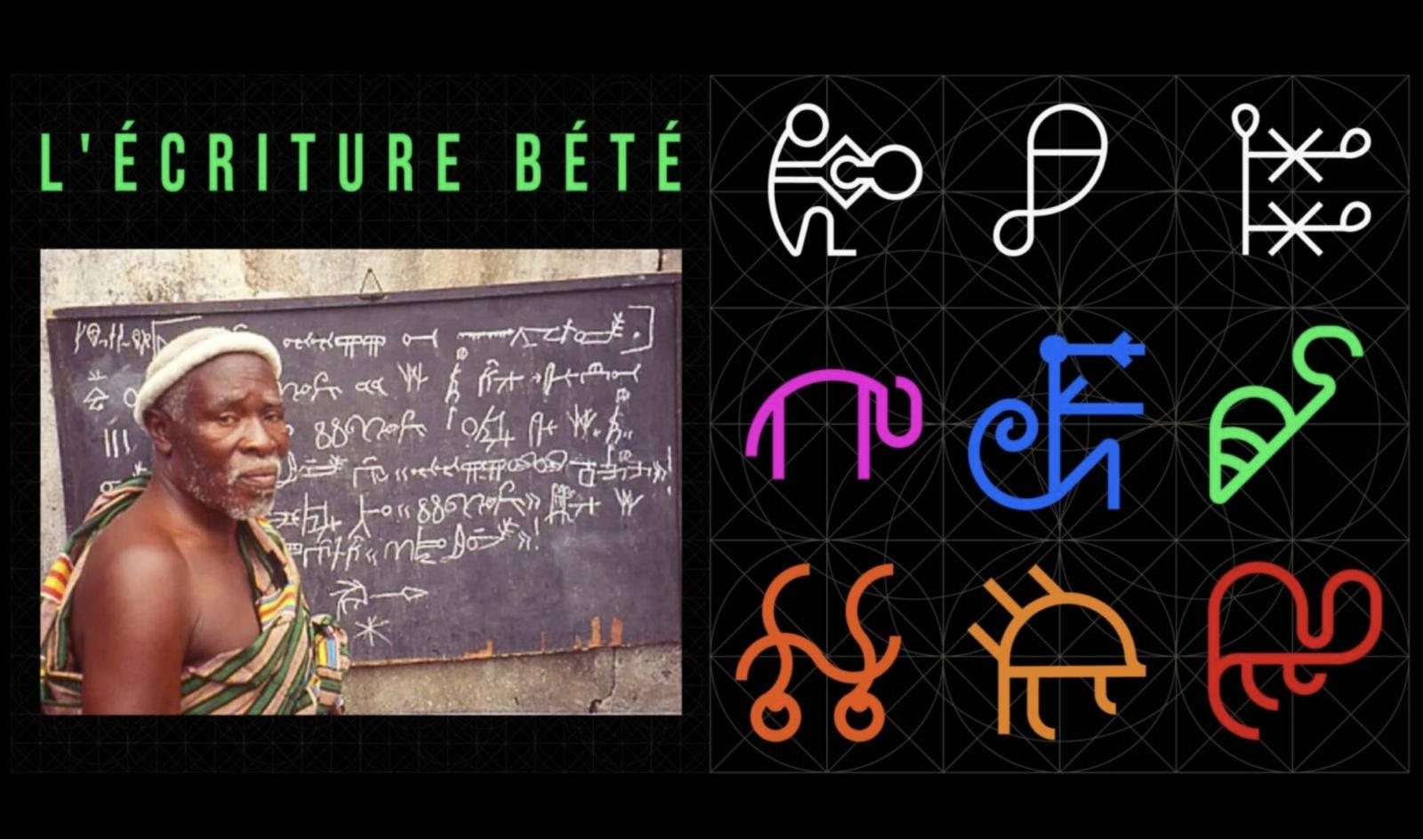
Can a script that is not yet in Unicode still find its way onto people's phones? That was the question behind the Bété Digital Inclusion Project, which I led as a Research Fellow of the Script Encoding Initiative (SEI) at the University of California, Berkeley. Our answer was to put real tools in people's hands — a font and a keyboard — and to watch closely what happened.
A script created in 1956
The Bété script was created in 1956 by the Ivorian artist Frédéric Bruly Bouabré. It combines syllabic signs and ideograms, and was designed to record oral traditions and pass knowledge on within his community. Around three million people in Côte d'Ivoire speak the Bété languages, yet the language is not taught in school, and earlier SEI-funded reports found the script was little known — even among Bété speakers themselves.
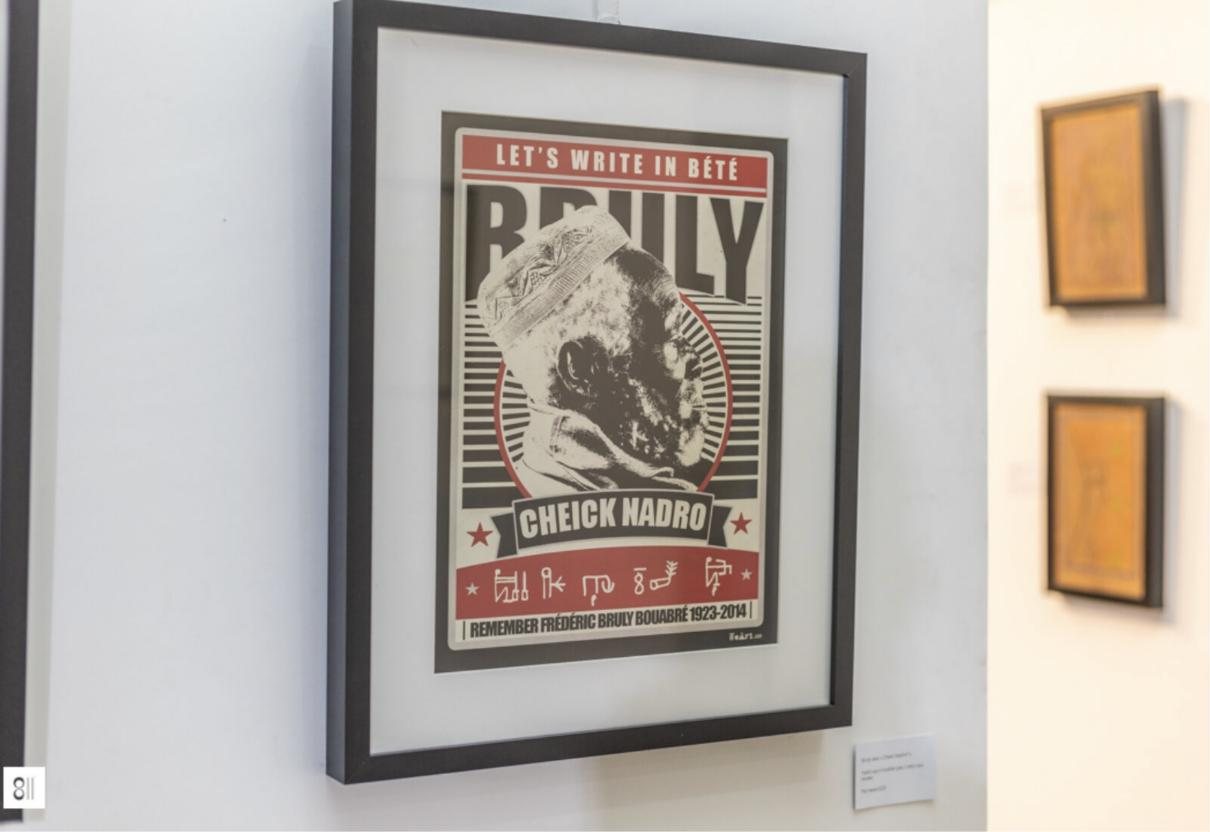
International attention has grown in recent years: the Museum of Modern Art in New York devoted an exhibition to Bouabré in 2022, and the script was the subject of a keynote at the Face/Interface conference at Stanford University in 2025. Those networks helped bring this collaboration together.
A font and a keyboard, before Unicode
Encoding a script in Unicode takes time. In the meantime, we used the Private Use Area (PUA) — a range of code points anyone can use — to build working tools right away. Drawing on my research at the Atelier National de Recherche Typographique (ANRT) in Nancy, I designed the artwork that became a working font, then refined a Bété PUA font and a keyboard layout with the type foundry JamraPatel. The Bété Keyboard app is available on Google Play.
SEI brought together a generous team — Craig Cornelius, Charles Riley, Neil Patel, Tex Texin, Oreen Yousuf, Jesus MacLean, Deborah Anderson and Anushah Hossain — who contributed grammars and voice recordings, prototype keyboards and messaging apps, local contacts and deep expertise in encoding. My role was to test everything on the ground and listen to current and future users.
An exhibition at the Institut français
The exhibition “Bété Script – Heritage and Future in the Digital Age” opened at the Institut français de Côte d'Ivoire in Abidjan. It showed original posters and illustrations, digital font prototypes, live demonstrations of the keyboard app, and works by the artists Wissam Sayegh and Aly Mazeh inspired by Bouabré. Visitors included art lovers, language enthusiasts, officials from the Ministry of Culture, teachers, students and members of Bouabré's family.
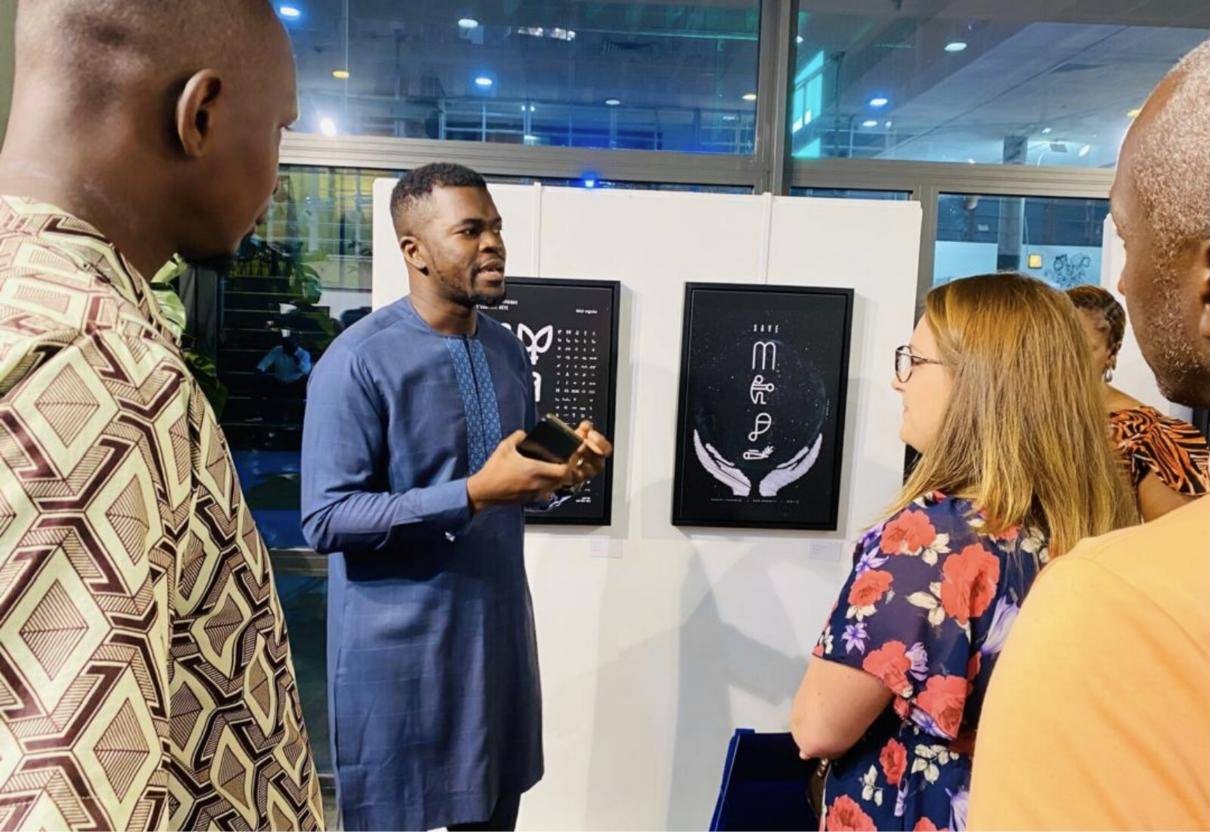
Interviews on Life TV and Life Radio introduced thousands of people to the script for the first time, and France 24 produced a report on the project.

Children, a conference and a family
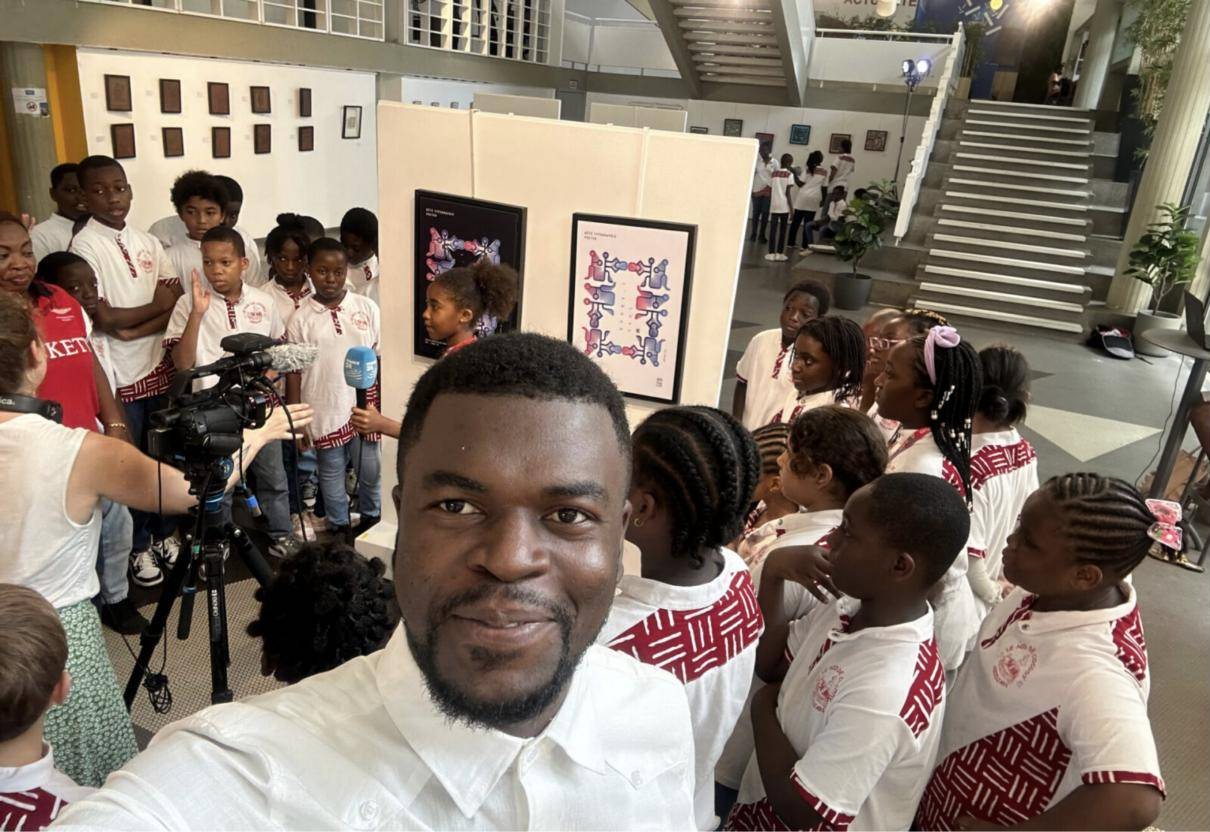
Two primary schools — Le Nid de Cocody and IMS Ivory Montessori School — visited the exhibition for hands-on activities. The children's enthusiasm confirmed something I believe deeply: early exposure builds cultural pride. We hope to take these workshops to schools across the country.
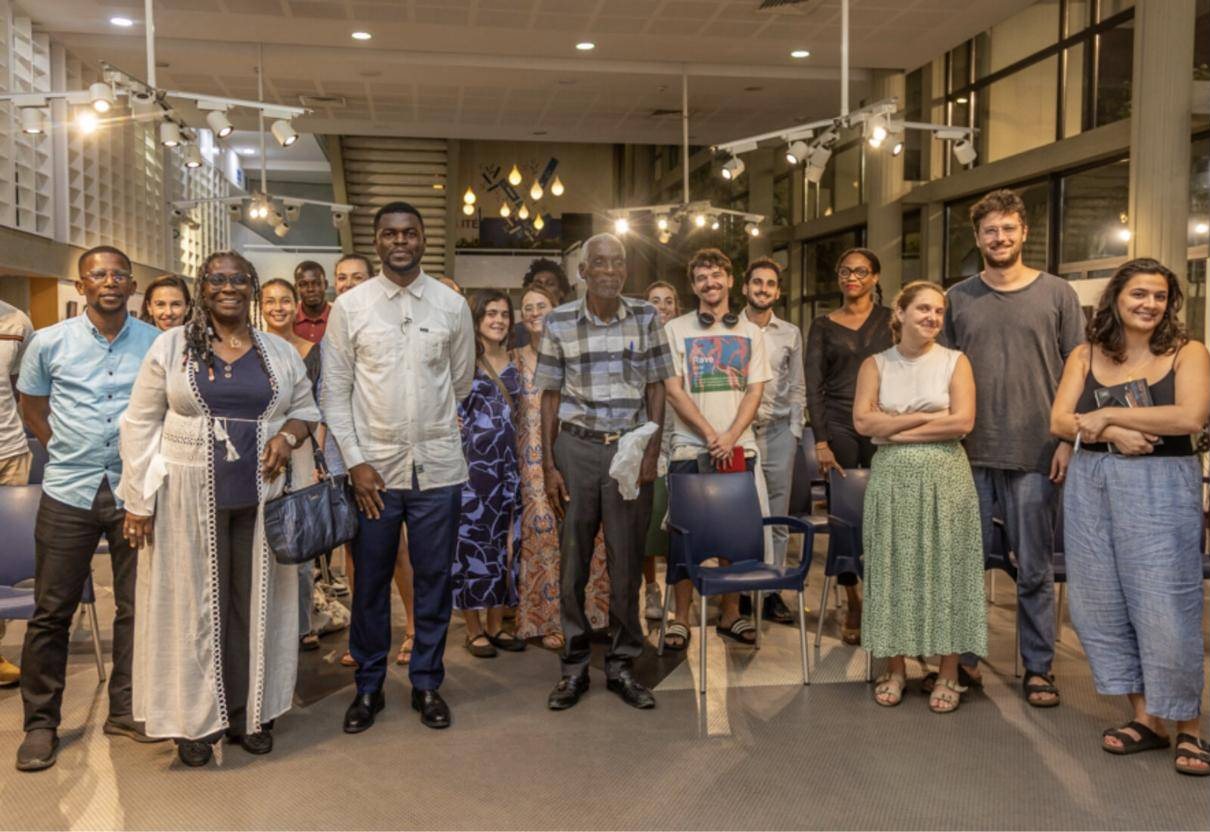
On 18 February 2025, a conference at the Institut français brought artists, researchers and students together to discuss the progress of the font and keyboard and the next steps: schools, digital platforms and Unicode encoding.
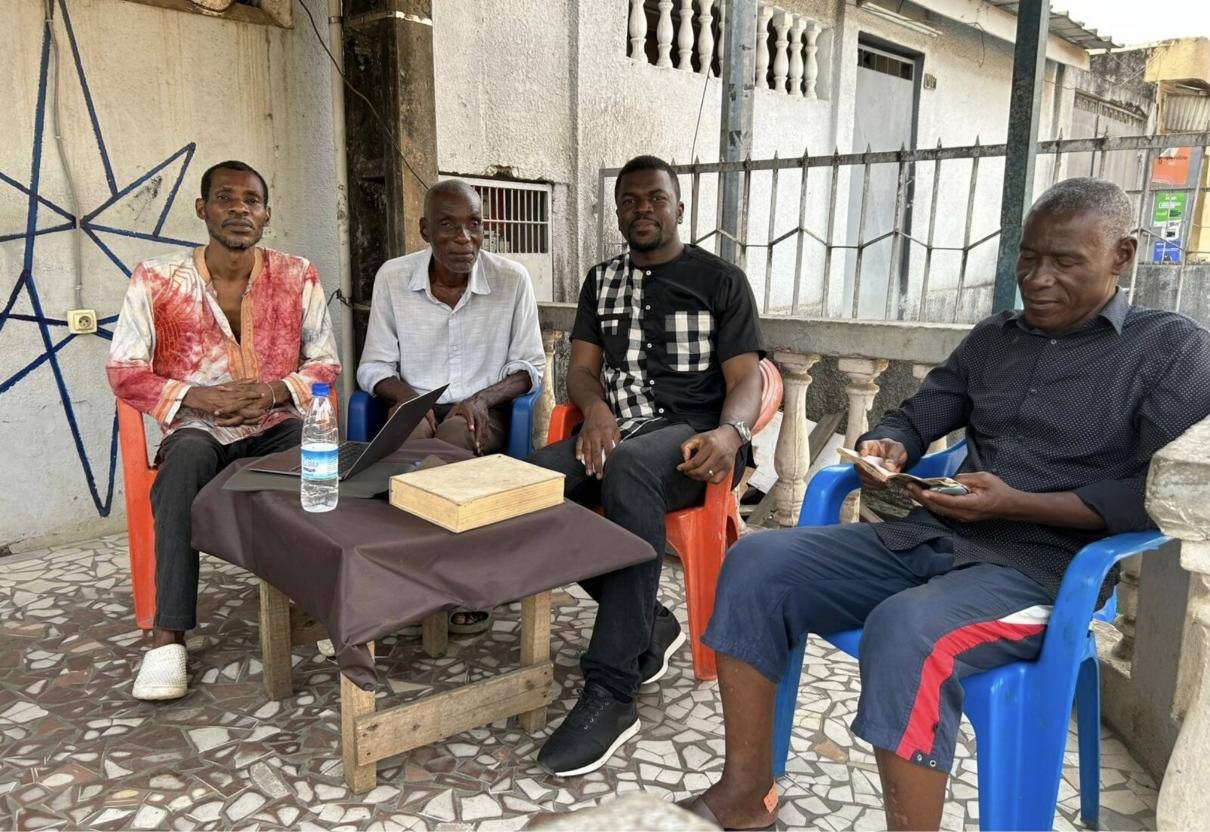
We also held feedback sessions with the Bruly Bouabré family, with residents of Zépréguhé, his home village, and with exhibition visitors. Many people did not know the script existed; once they discovered it, they were eager to learn it. They loved the app and the font — but often did not yet understand how the script works. The lesson is clear: tools are not enough without learning materials and simple, clear guides.
Culture as common ground
In Côte d'Ivoire, promoting Bété culture is sometimes read through a political lens, and some institutions have hesitated to support it. I chose to keep the project rooted in art and culture — a space where heritage can be shared by everyone, beyond divisions.
What comes next
Three priorities: expand teaching through online platforms, schools and workshops; improve the app and keyboard based on community feedback; and continue working with SEI towards encoding the Bété script in Unicode.